
Skolnity is home to… alpacas and a little donkey!
Alpacas Kenzo and Lewis, along with Serwacy the donkey, are waiting to meet you in the meadow near the upper station of our chairlift. You can visit them both in summer and winter, as they handle cold weather very well. These animals are friendly, social, and intelligent and in the summer season, they’re joined by a few cheerful sheep. All our animals love children! On behalf of the whole happy crew: we can’t wait to see you!

Hi, I’m Serwacy! I’ve been living on Skolnity since January 2021. They say I’m about 15 years old, but I’ve never had a birthday party, so no one’s really sure.
I used to work in a circus I know a few tricks, though I’ve forgotten most of the commands. I’ve also lived in a Christmas nativity scene and a couple of farms. Now, I call the rooftop of Wisła my home, and I’m not complaining!
The grass here is delicious, I have plenty of space to roll around, and my neighbors are pretty nice. At first, it was a bit tough we didn’t understand each other. They laughed at me for being “stubborn,” and I couldn’t figure out why their necks were so long?!
But luckily, we’ve found common ground, and we’re getting along better every day.
Alpacas belong to the camelid family and originate from South America. These domesticated animals resemble llamas—and a bit like our native sheep too. They are primarily bred for their luxurious fleece, which is much warmer and softer than sheep’s wool. With their adorable looks, intelligence, and calm nature, alpacas quickly won the hearts of Europeans. Alpacas do not exist in the wild. They are raised on the slopes of the Andes in Ecuador, Bolivia, Peru, and Chile at altitudes between 4,000 and 4,700 meters above sea level—and also here on Wierch Skolnity, at 762 meters!
Adult alpacas grow to nearly one meter in height and weigh between 50 and 80 kg. They typically live for around 20 years. Alpacas don’t have incisors, horns, claws, or hooves. They’re easy to care for and quite clean they only leave droppings in a few specific spots in their enclosure. They can thrive even on low-quality grass or hay (in fact, feed that’s too rich in protein can harm them), which is why we kindly ask you not to feed the alpacas!
Alpacas should never be kept alone they are social animals that must live with others of their kind. No matter how strong their bond with humans, it can’t replace the company of another alpaca. They enjoy being around people, often follow their caretakers around, graze alongside them, and react happily when called. But they can also be shy and cautious it takes a gentle, patient hand to earn their trust. Sometimes they spit but mostly when they feel threatened, or just for fun, like Kenzo, our resident mischief-maker.
One of the most captivating traits of these charming creatures is their expressive eyes you really feel like an alpaca is listening and understanding you. They form strong bonds with their caregivers, often lock eyes for surprisingly long moments, and give the impression of being incredibly perceptive. Kenzo and Lewis quickly grew attached to their keepers. They respond to their voices, recognize their cars, and immediately check their pockets for treats. Their playful personalities and curious faces win over everyone who visits. You might spot them “taking a bath” by leaping joyfully around their enclosure or bouncing off the ground with all four legs at once in a moment of pure alpaca happiness!
Donkeys belong to the equine family. They are known for their large heads, long ears, thin tails with tufts at the end, low dietary needs, and high tolerance for water scarcity.
Donkeys were domesticated even earlier than horses. The first evidence of domestication dates back to around 4000 BCE in the Nile Valley about 6,000 years ago. Both living subspecies of the African wild donkey once inhabited this region, and it is believed that the domestic donkey originated from their crossbreeding.
Donkeys are most commonly used as pack animals, and less frequently for riding or pulling carts. They are also often kept in zoos. Over time, many breeds have been developed, varying in color, size, and temperament.
Onotherapy is a branch of animal-assisted therapy (similar to hippotherapy) that specifically involves donkeys. It is recommended for people with various physical, emotional, or developmental disorders.
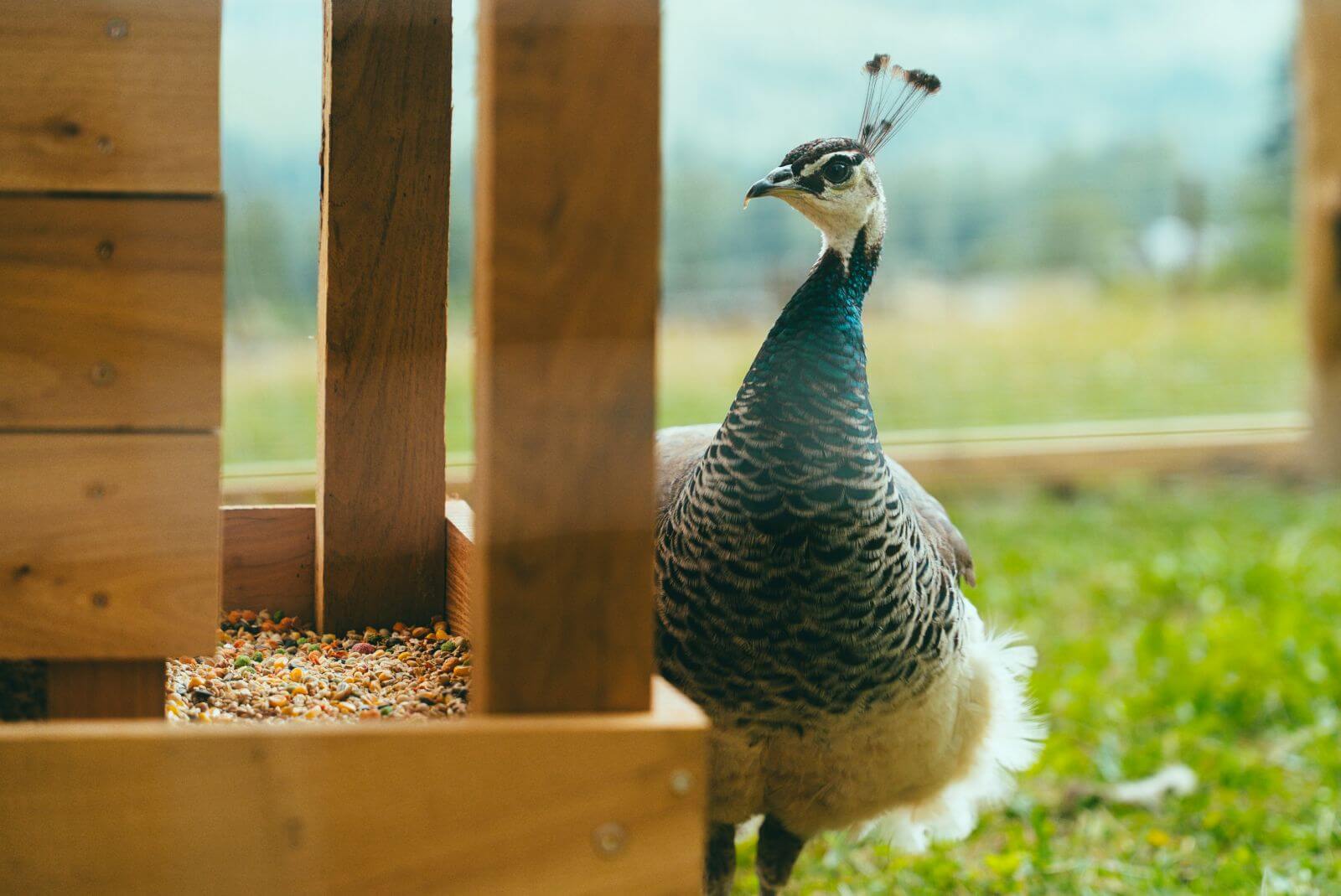
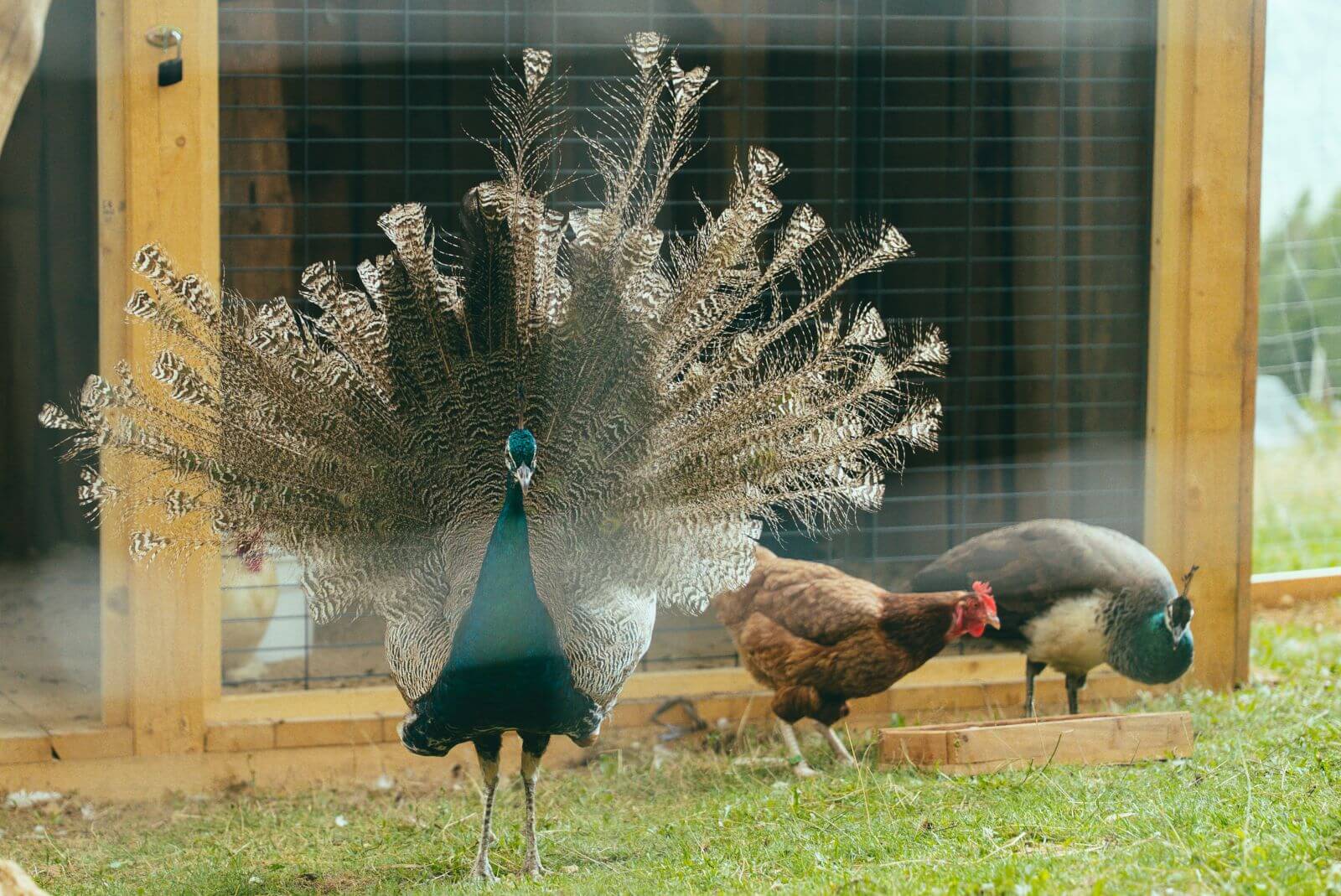
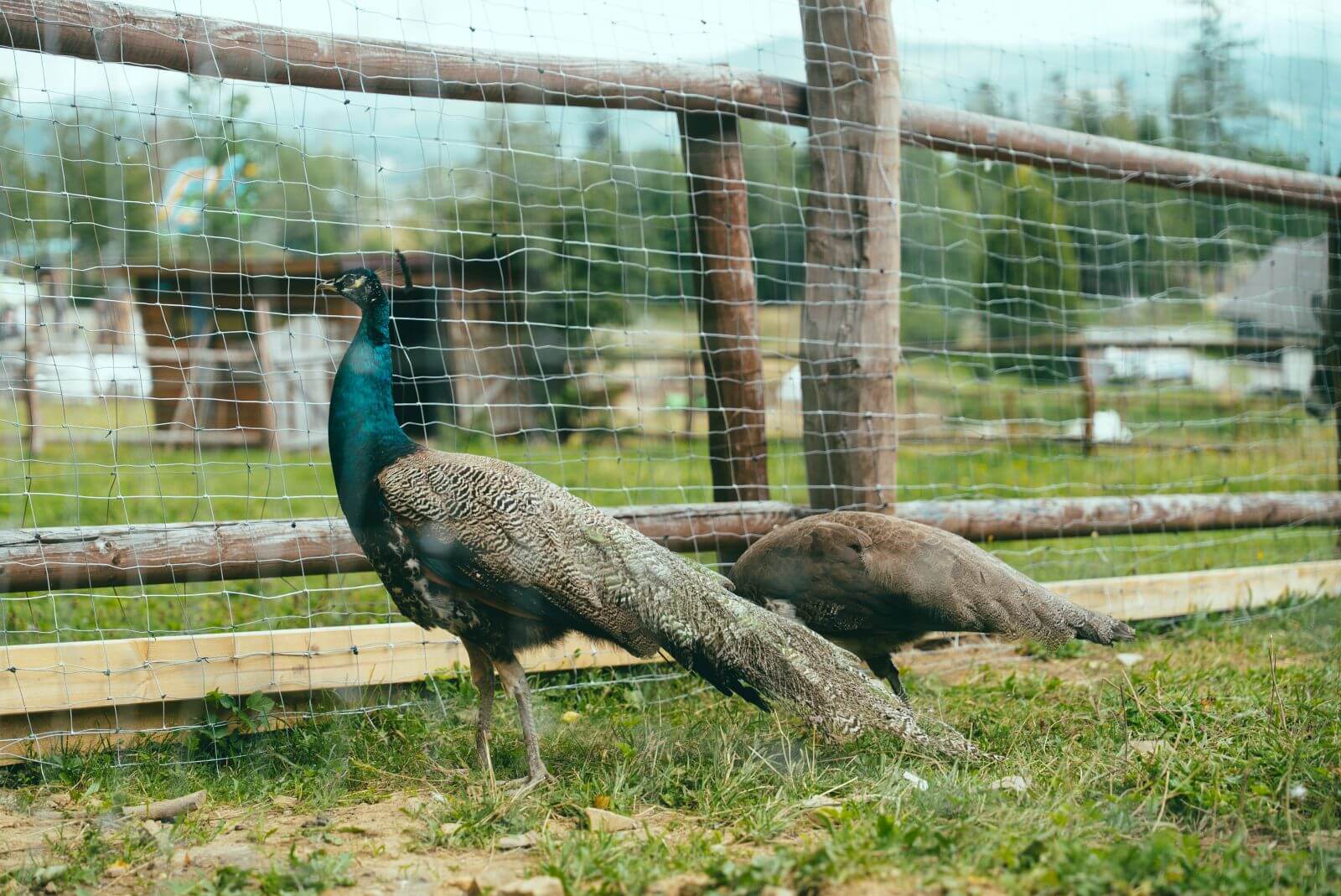
Hi! We’re Feniks, Paris and Rodżer!
We hatched in 2024 and recently made Skolnity our home. You chose our names—the followers of Skolnity’s Instagram and Facebook profiles. Of all the suggestions, Feniks, Paris and Rodżer were the favourites!
We’re still young, so our plumage is not yet as magnificent as that of adult peacocks. Give us a little time—with each passing year, we’ll look even more majestic.
For now, we’re exploring our new home, peeking into every corner and curiously watching everything going on around us. We have plenty of space, fresh mountain air and views that other peacocks would probably envy.
If you spot us, take a closer look—each of us is a little different. Perhaps you’ll be able to tell which one is Feniks, which is Paris and which is Rodżer?



 Opening hours
  Contact us!
  Cameras